Narrative drift
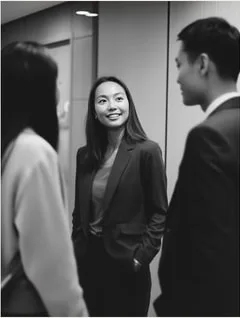
A plausible image could still tell the wrong story.
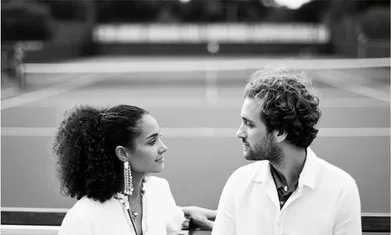
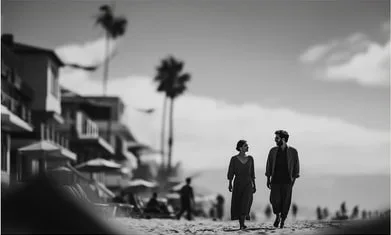
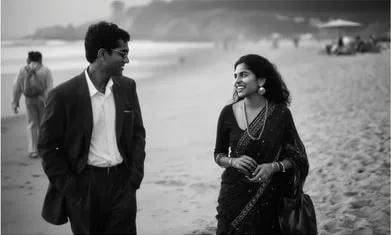
From an AI-assisted campaign to an agency workflow standard
For Glenmede’s “Let’s Talk” campaign, I built an AI-assisted creative workflow to produce imagery stock photography couldn’t supply. The work expanded from print and digital into broadcast. SIA subsequently adopted the workflow as an agency standard for AI-assisted image-making and broader campaign development, and other teams began using it.
The 2026 campaign needed highly specific people, environments, and interactions, but the client did not want anything that felt AI-generated. I created three photorealistic campaign worlds—Family, Art, and Office—across print and digital.
SIA had no existing workflow for a project at this level of depth. Over two months in spring 2026, I designed and executed the image-making system myself while working with an account director, strategist, and project manager. The work could begin quickly, but making it credible required sustained iteration.
The workflow was research → many provocations → synthesis → human judgment → prototype → testing → refinement. AI was not the creative director. Its value was expanding the search space early—more references, visual directions, compositions, and narrative possibilities than a conventional stock search could surface in the same time.
ChatGPT helped structure the creative brief, project approach, sub-briefs, and evaluation criteria; Gemini provided a second opinion. Inside Flora, I used Claude to translate a survey of black-and-white filmmakers and photographers into a locked stylistic approach. Midjourney and Nano Banana generated still imagery, while Runway supported motion development. Contact sheets made the process inspectable for internal and client review.
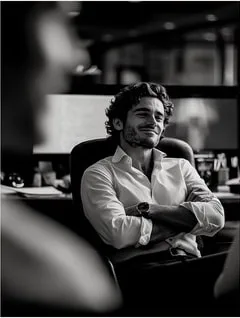
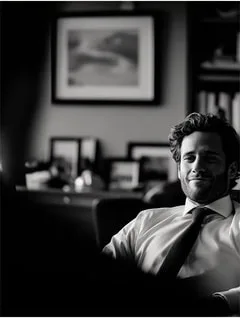
I produced thousands of images across repeated exploration cycles. Each cycle began with 500 generated images so composition, character, gesture, environment, and tone could be investigated in parallel before committing production time to one direction. Claude used the brief and photographer criteria to narrow each cycle to 50 credible candidates. I then filtered for the harder failures: narrative drift, tonal drift, unstable characters, staged interaction, and details that broke realism.
The human work became more important as the volume increased: selecting photographers, recognizing clichés, judging cultural tone, checking faces and hands, testing logical environments, preserving character and stylistic continuity, and editing aggressively. The target was unusually specific—people in their early forties, quiet luxury, and serious but warm conversations about consequential financial decisions.
For each scenario, the internal team reviewed the strongest directions and the client saw three options. Feedback led to greater diversity and more precise wardrobe choices before the Family, Art, and Office worlds were locked.
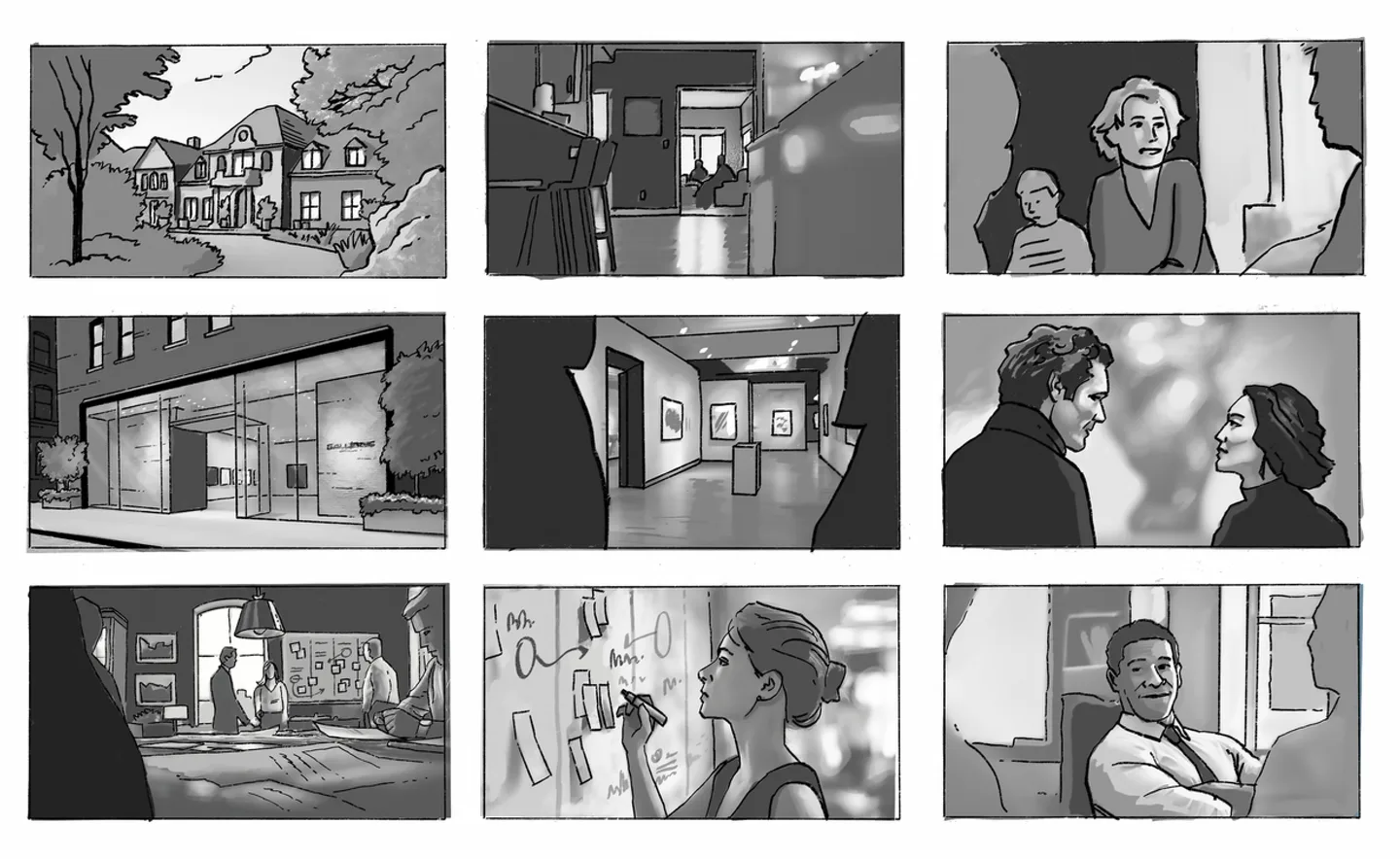
The client responded strongly because the images delivered a narrative they had never been able to obtain from stock. Video was not part of the original brief; the success of the print work persuaded the client to expand the assignment and bring the same characters and scenarios to life. I developed the broadcast concept, storyboards, animatic, and motion tests; the finished campaign became a 30-second spot and a 15-second cut built from the Family, Art, and Office worlds.
Only about five percent of generated video approached usability, so I set expectations around cost and iteration while directing the work toward credible motion. I directed the final edit, which was executed by SIA’s Video Production Lead. My hands-on contribution was the workflow, image system, concepts, storyboards, prototypes, motion tests, and direction—not the final edit itself. The campaign appeared at the US Open.
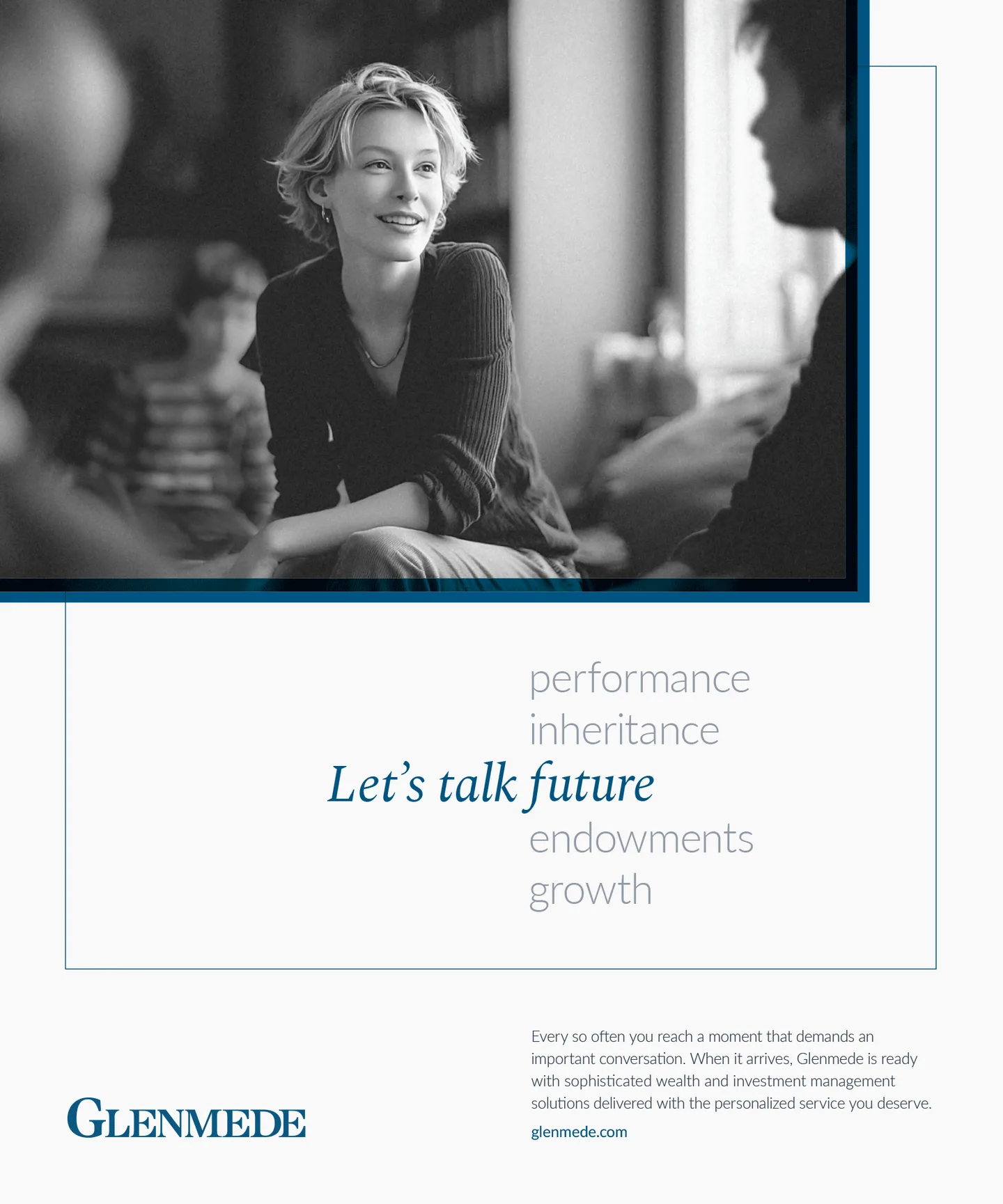
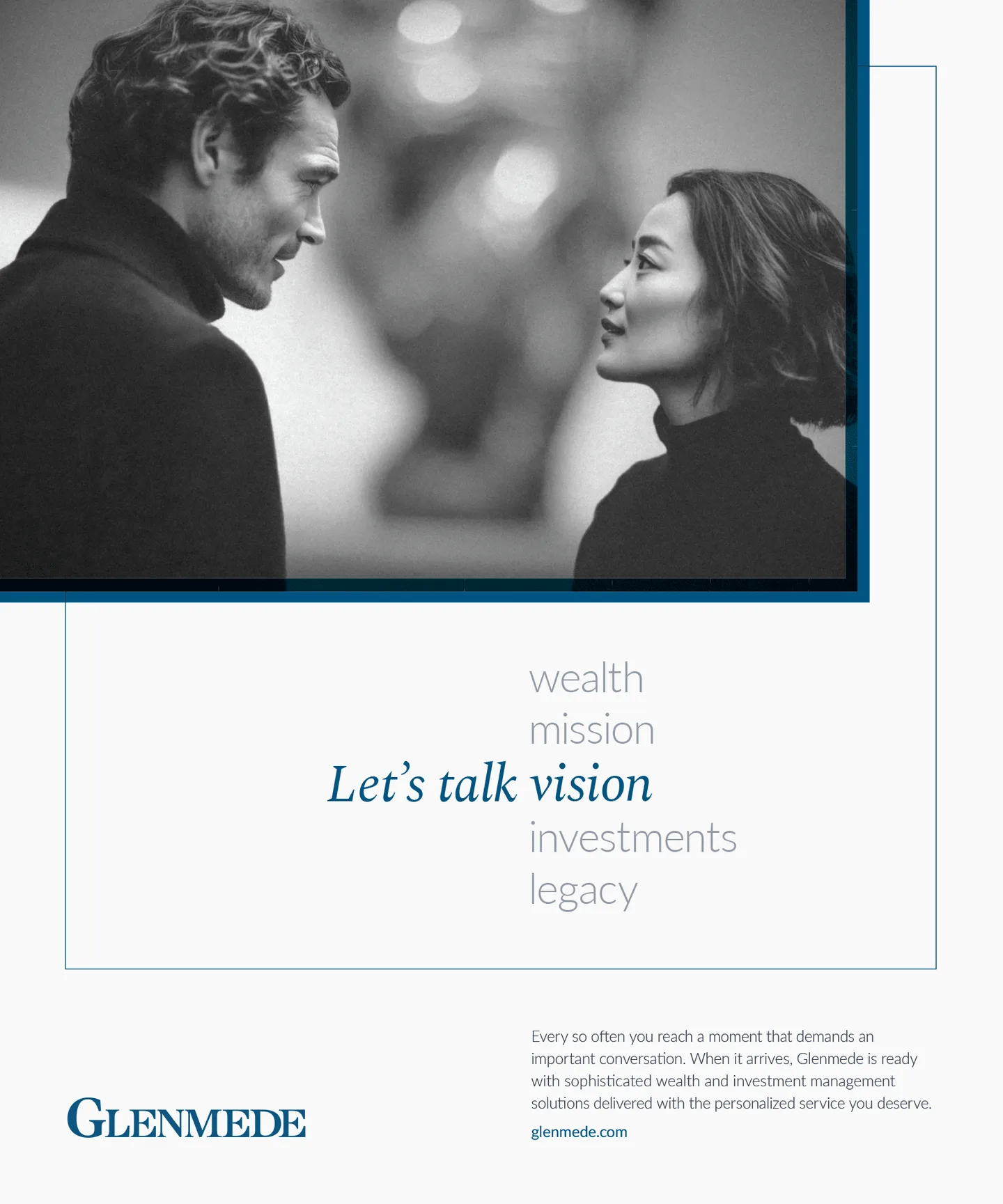
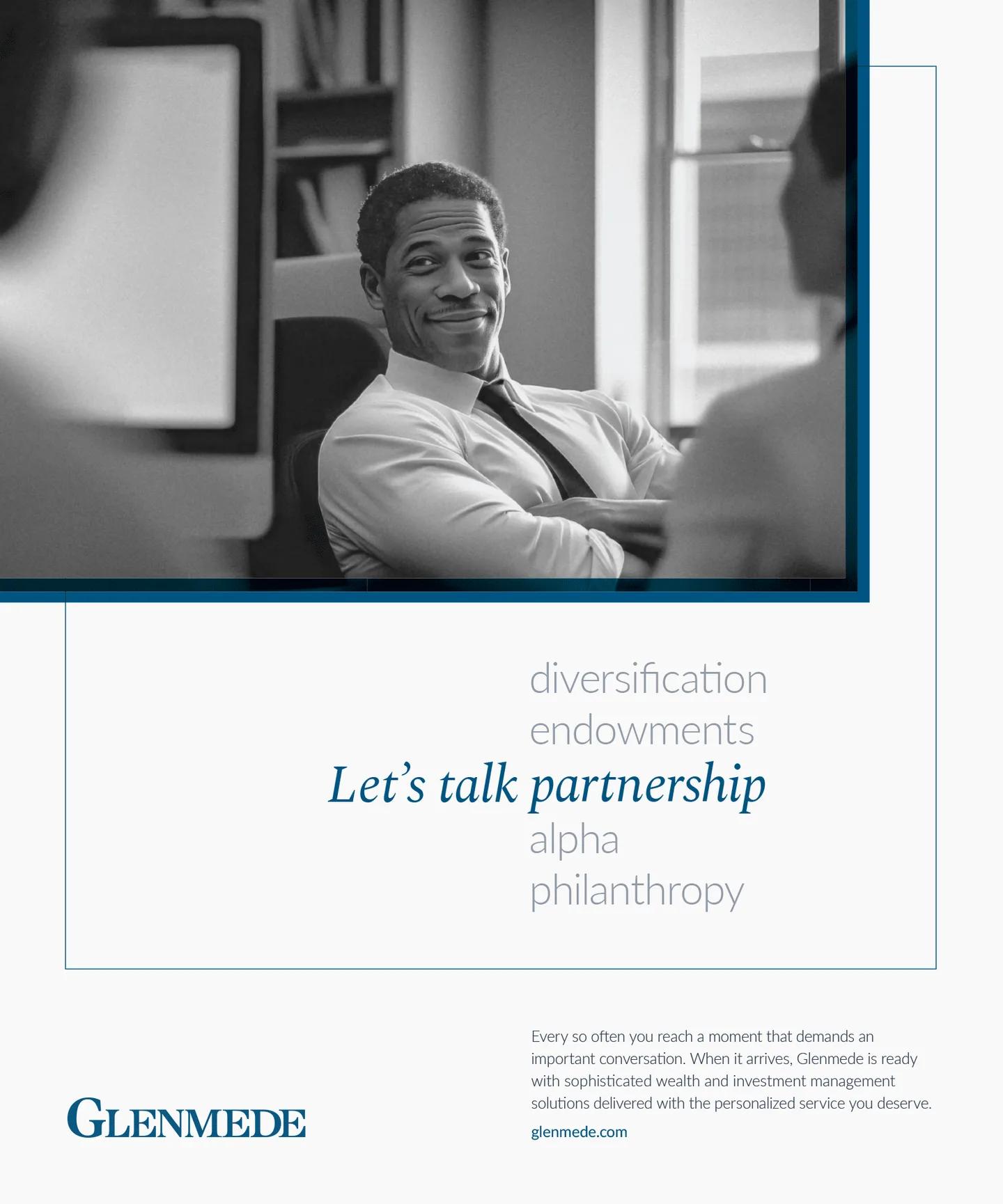
A working selection from one 500-image cycle · composition, character, gesture, and tone explored in parallel
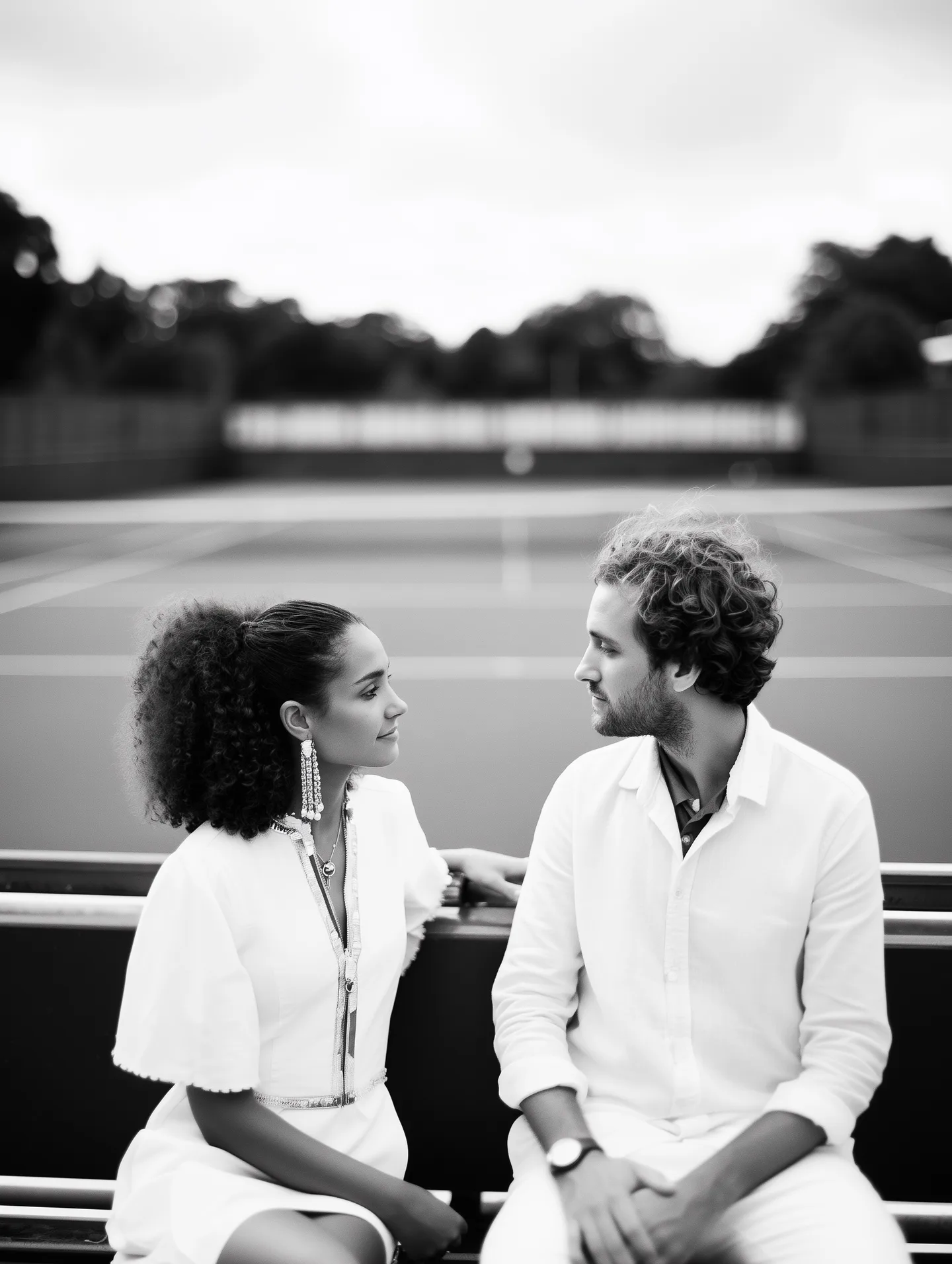
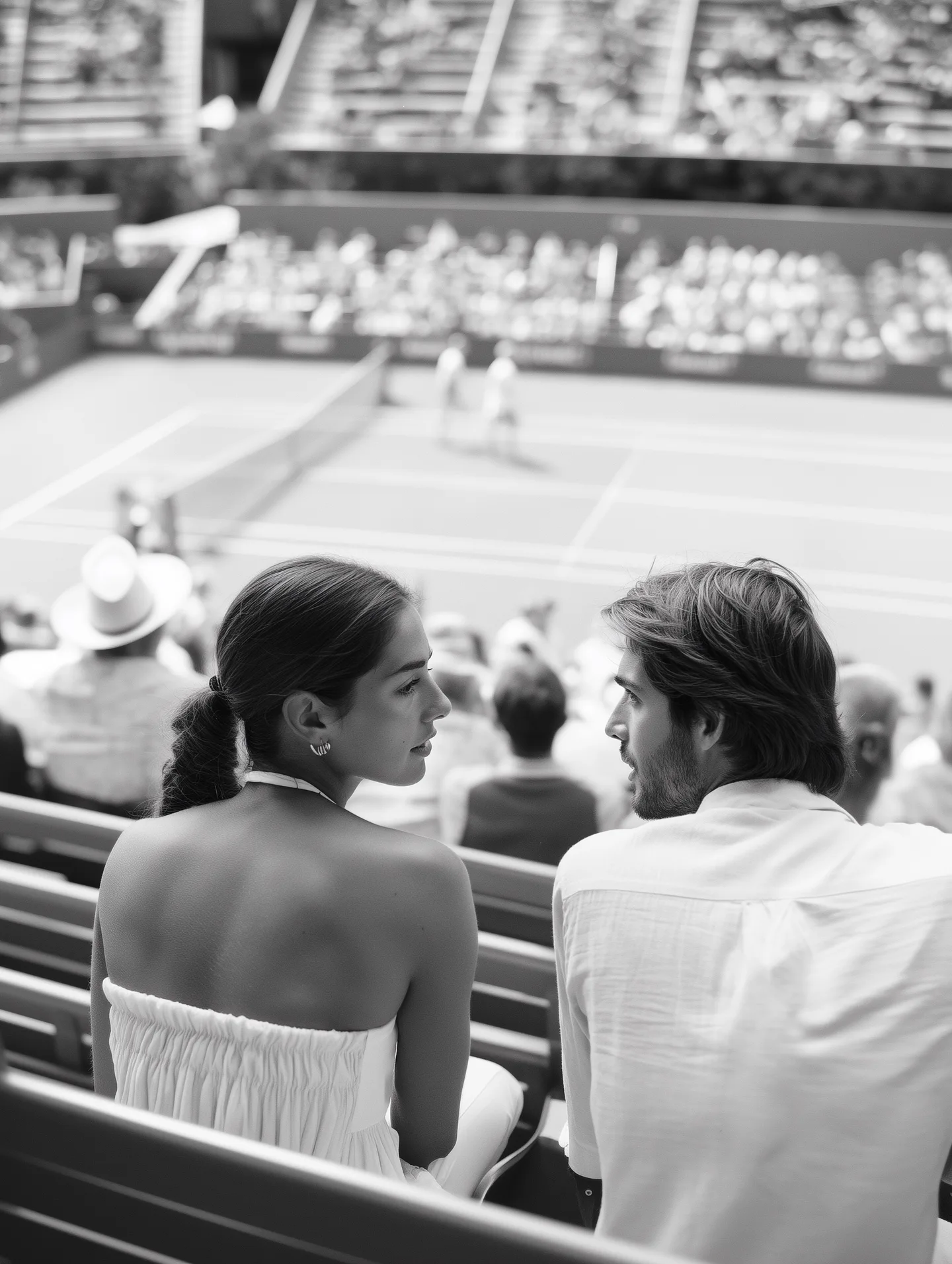
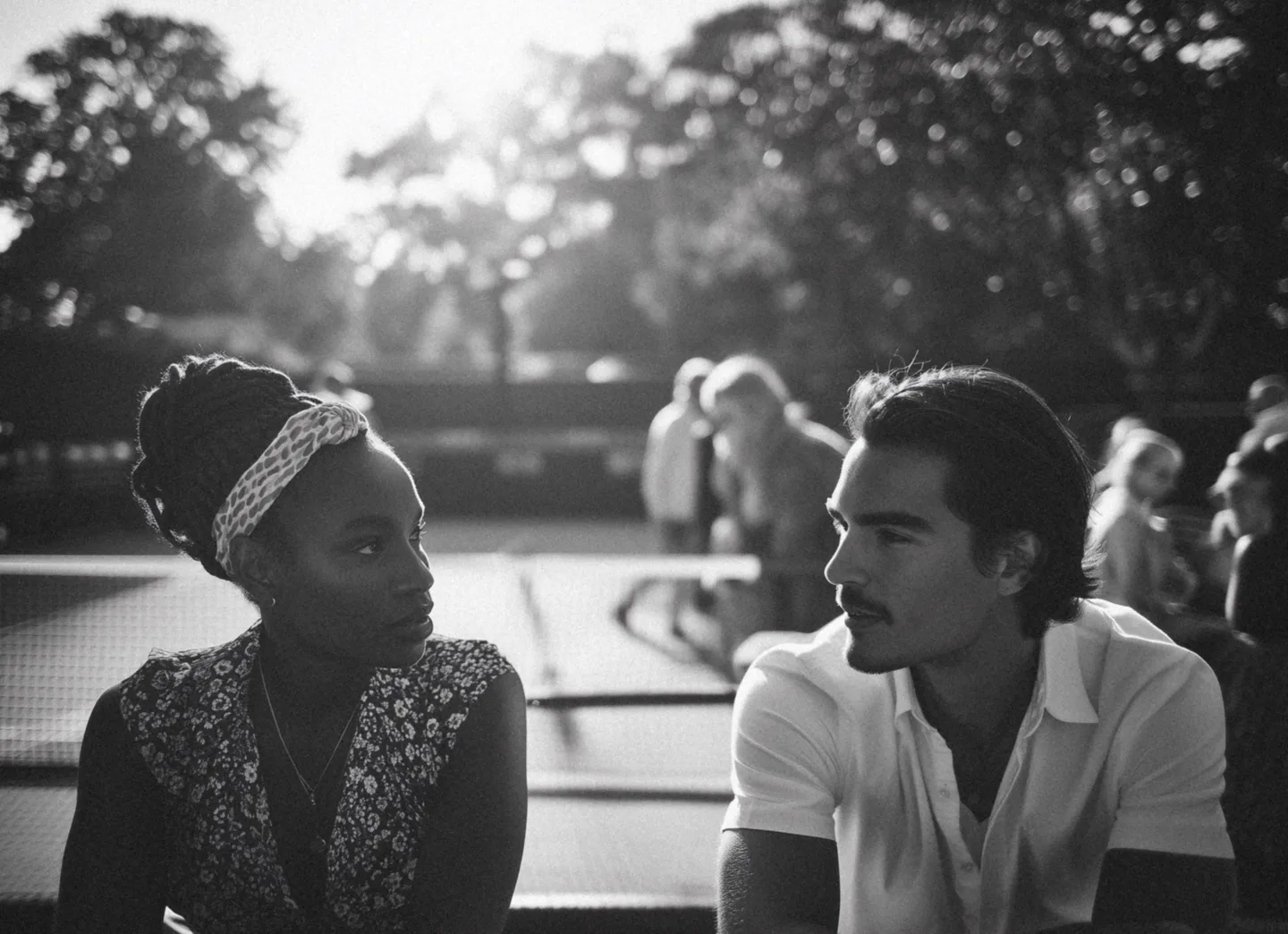
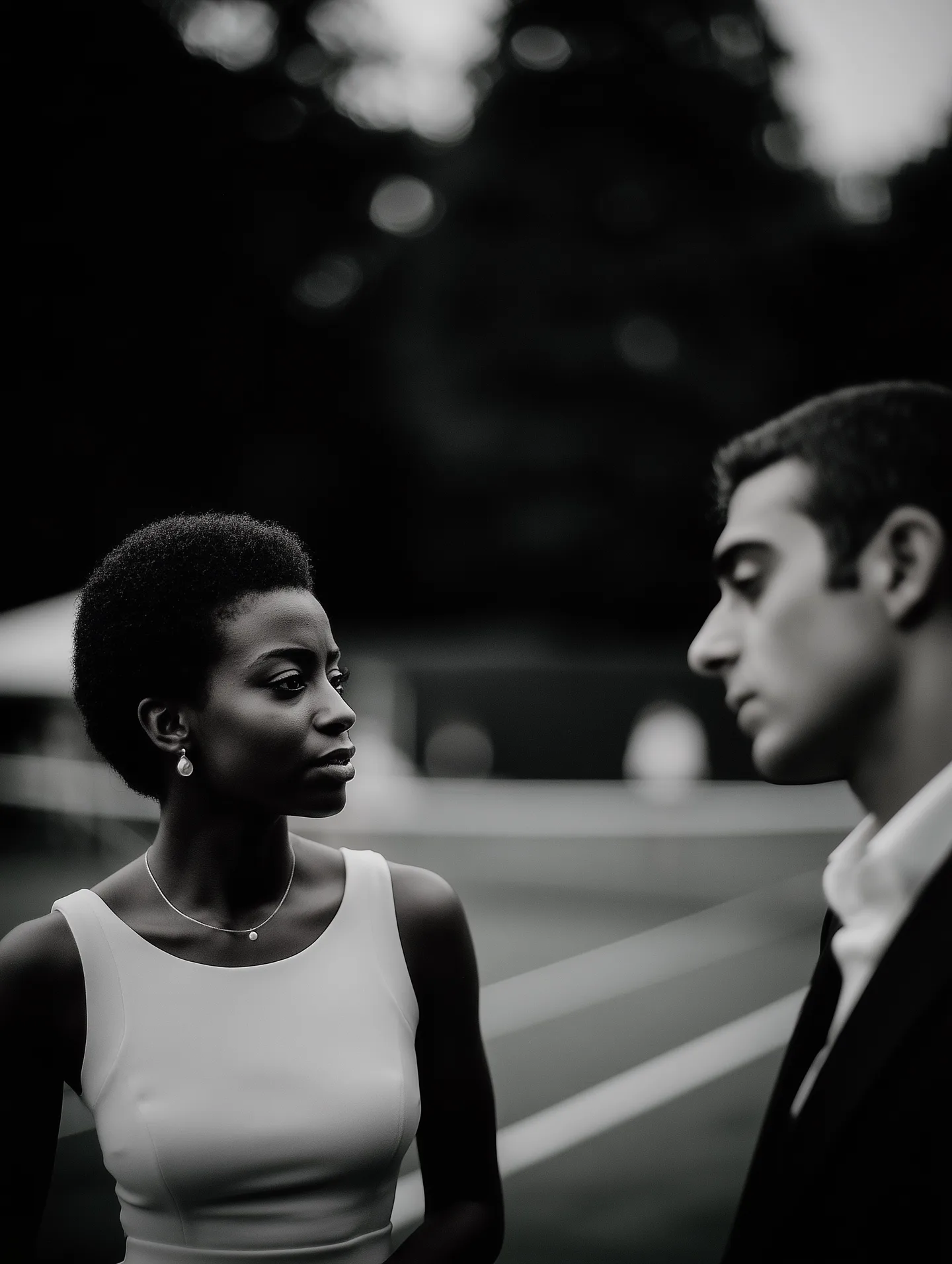
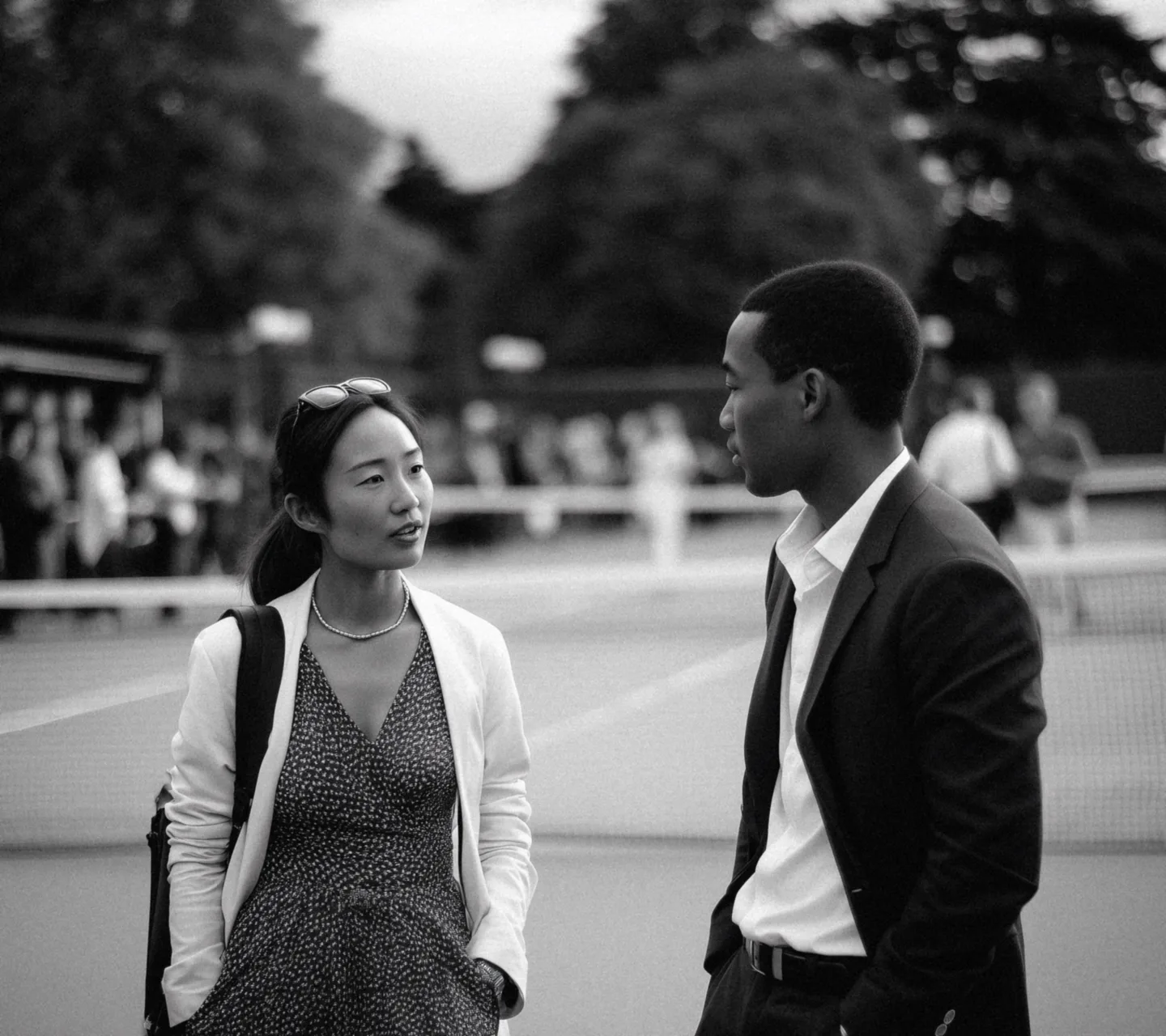
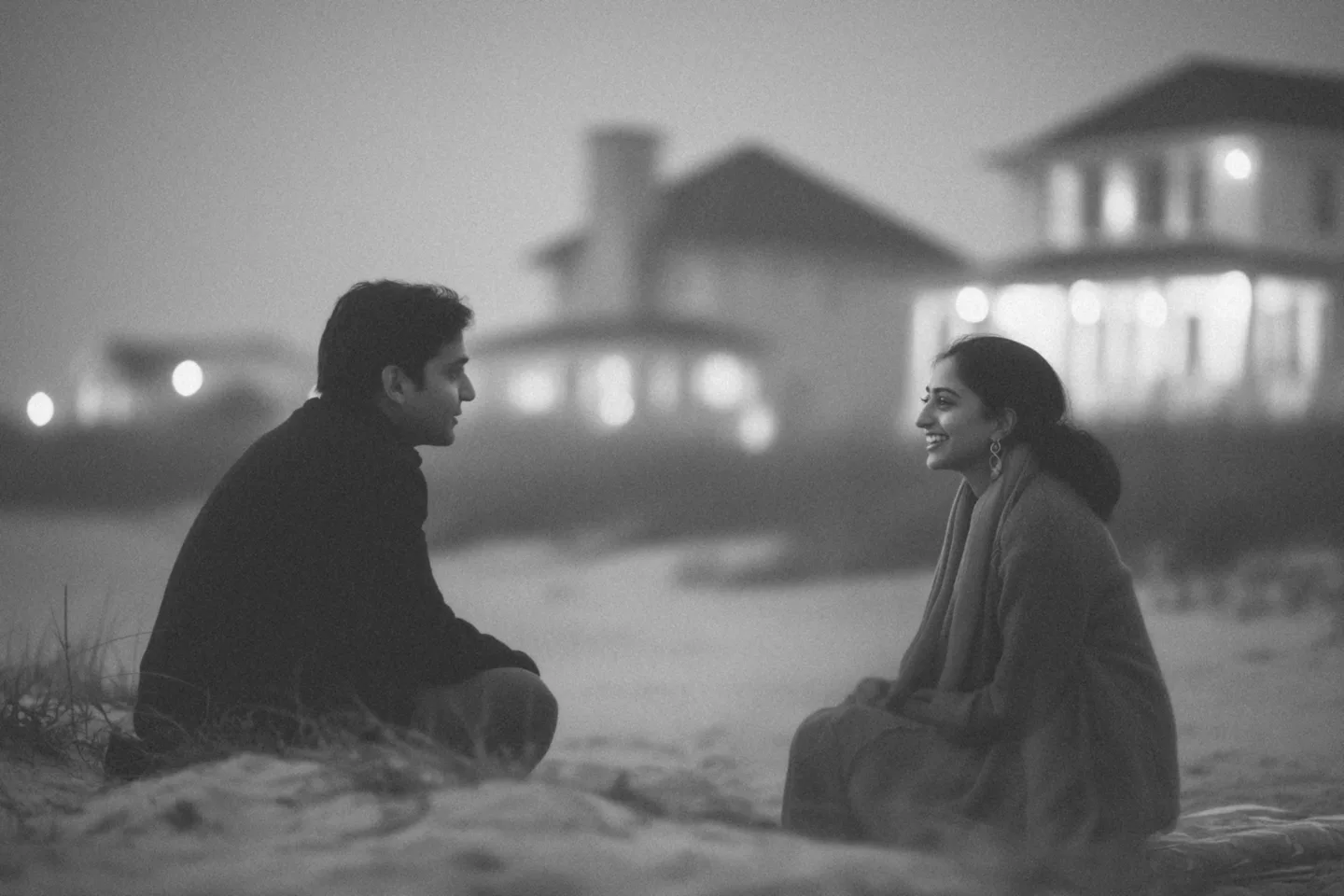
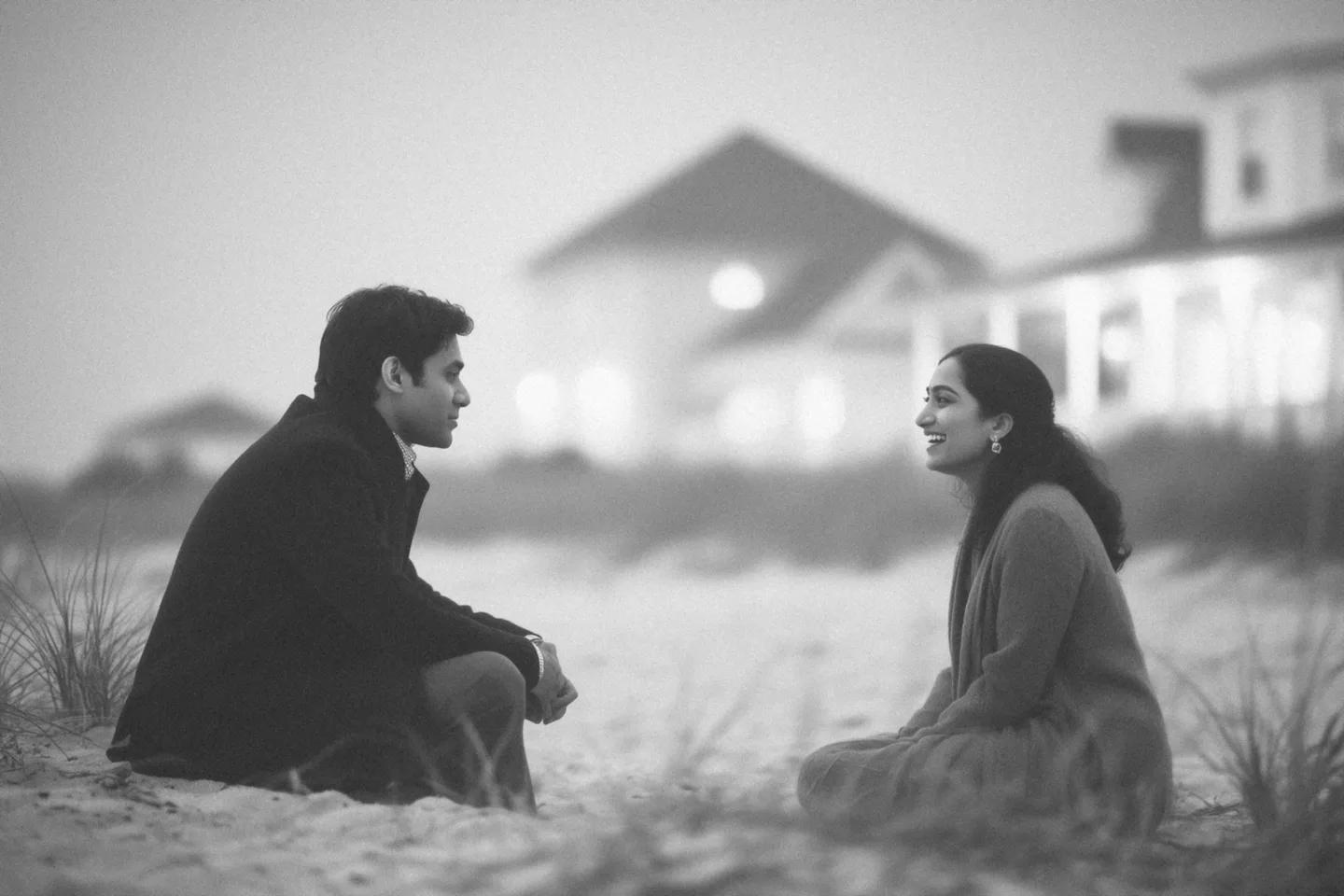
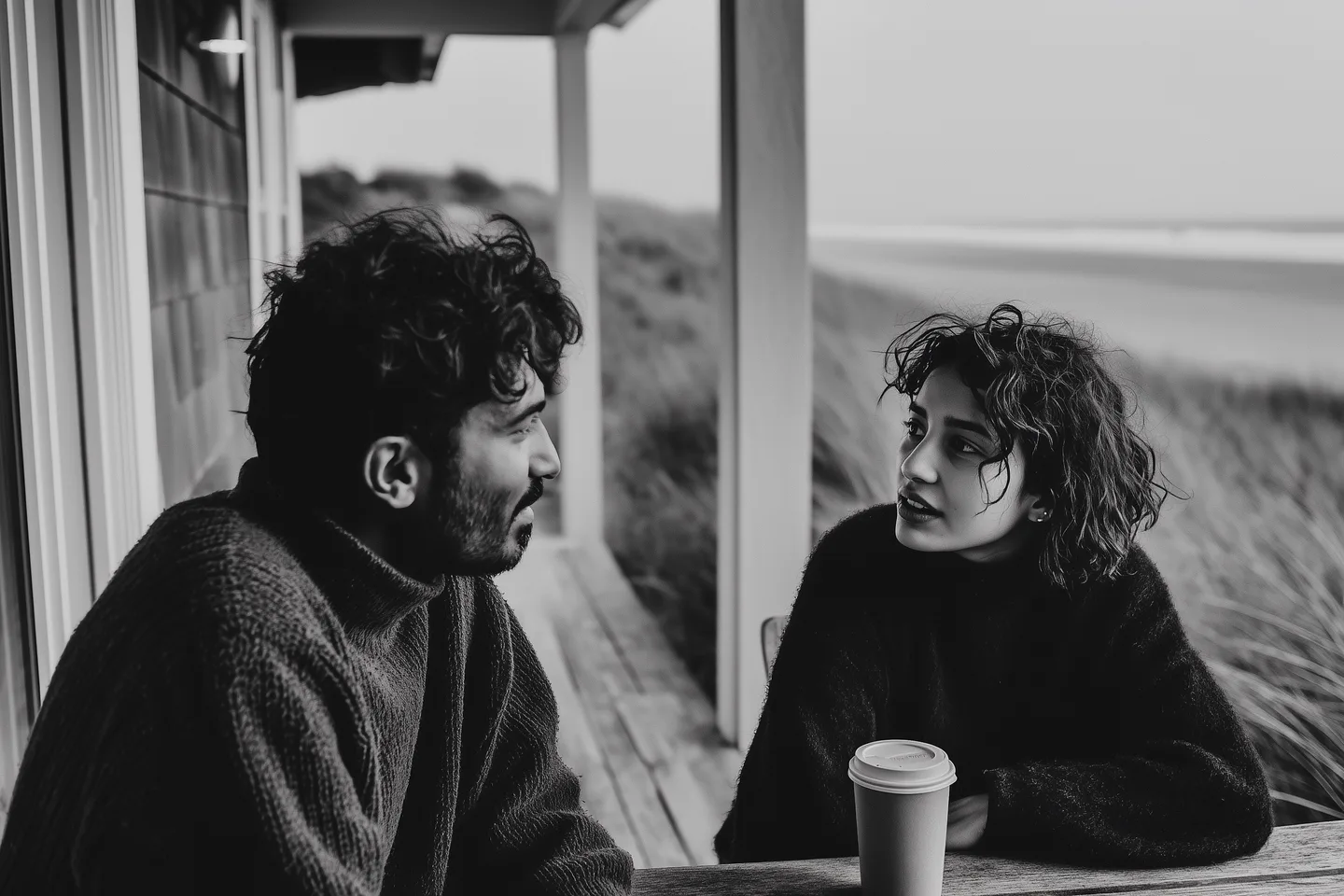
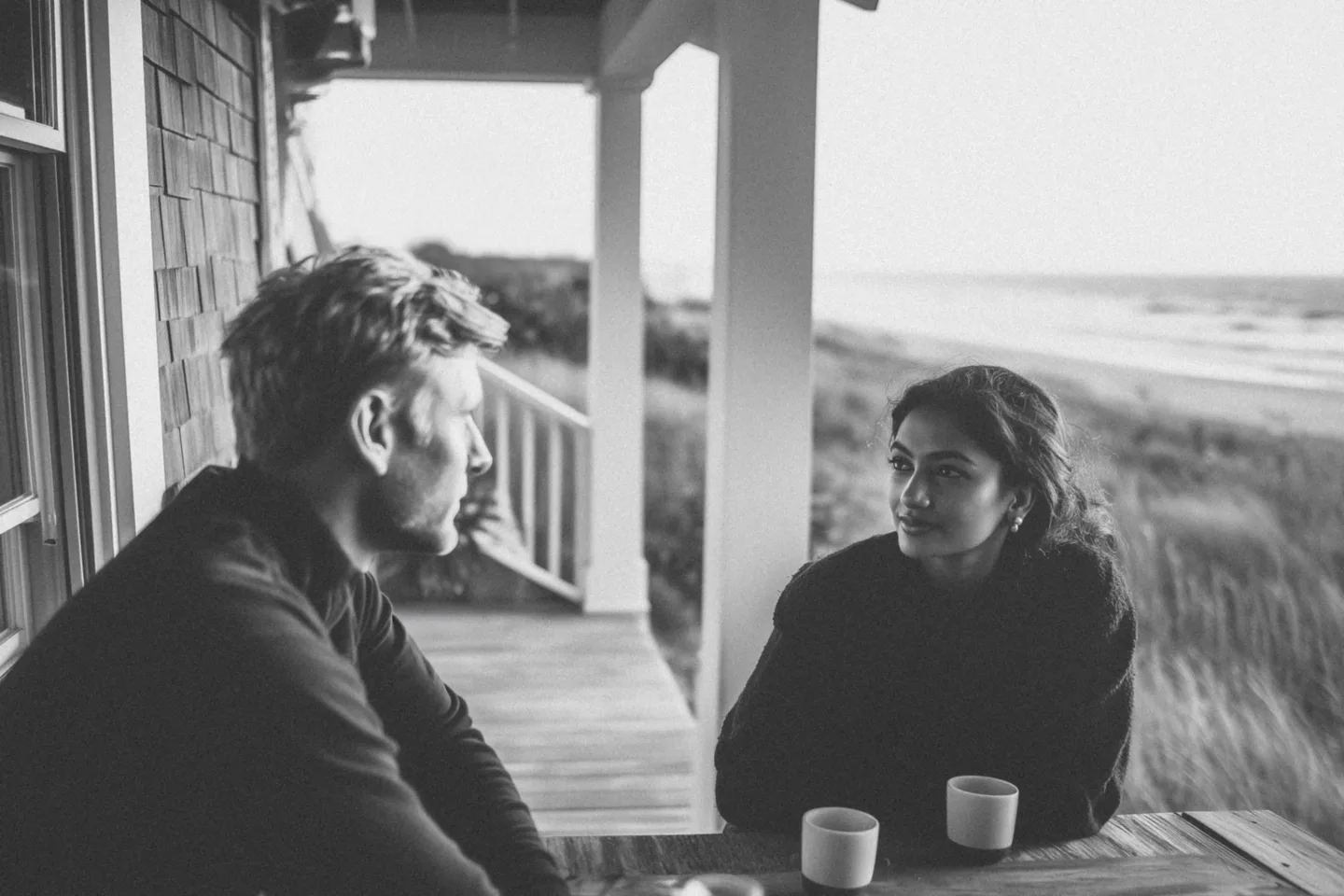
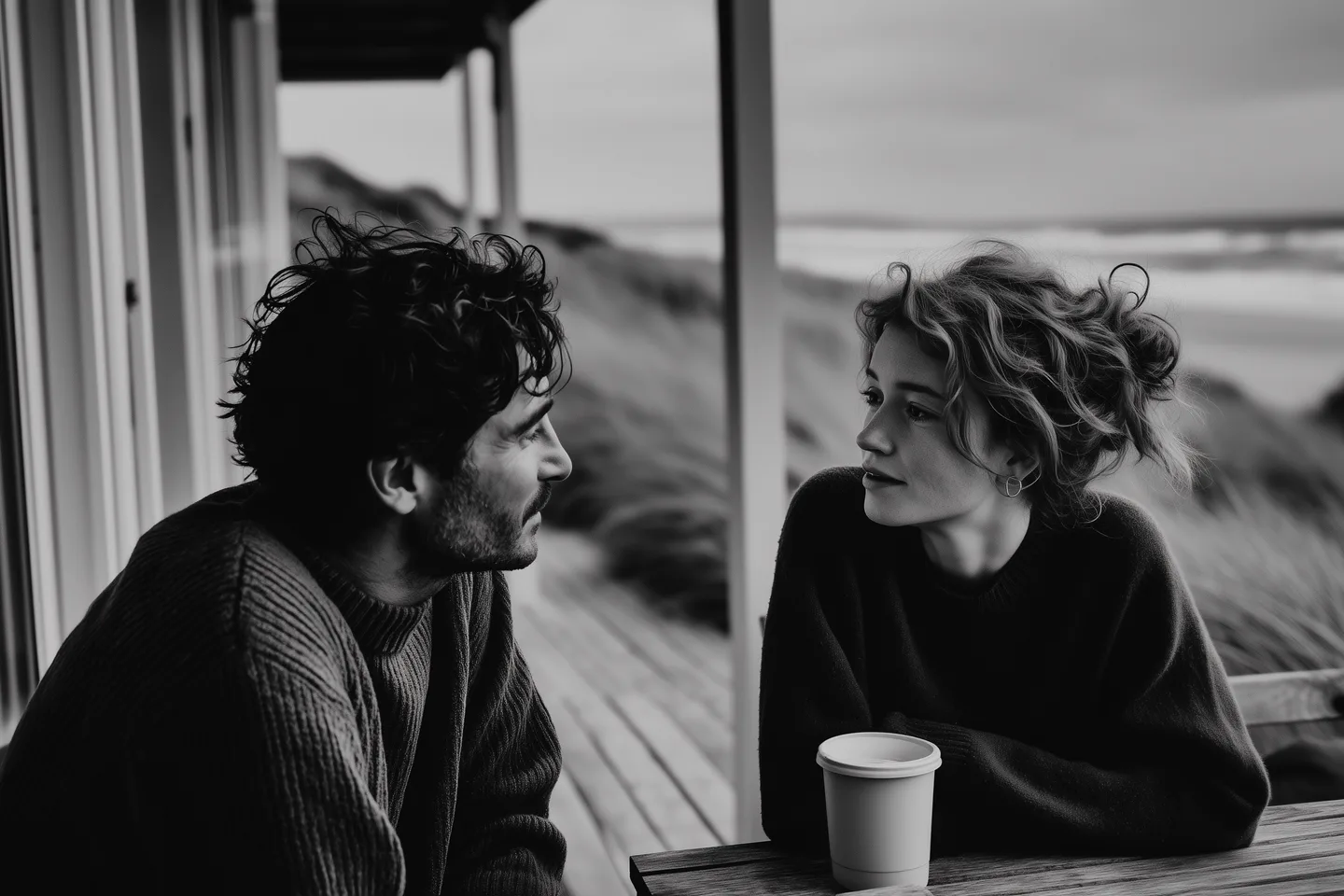
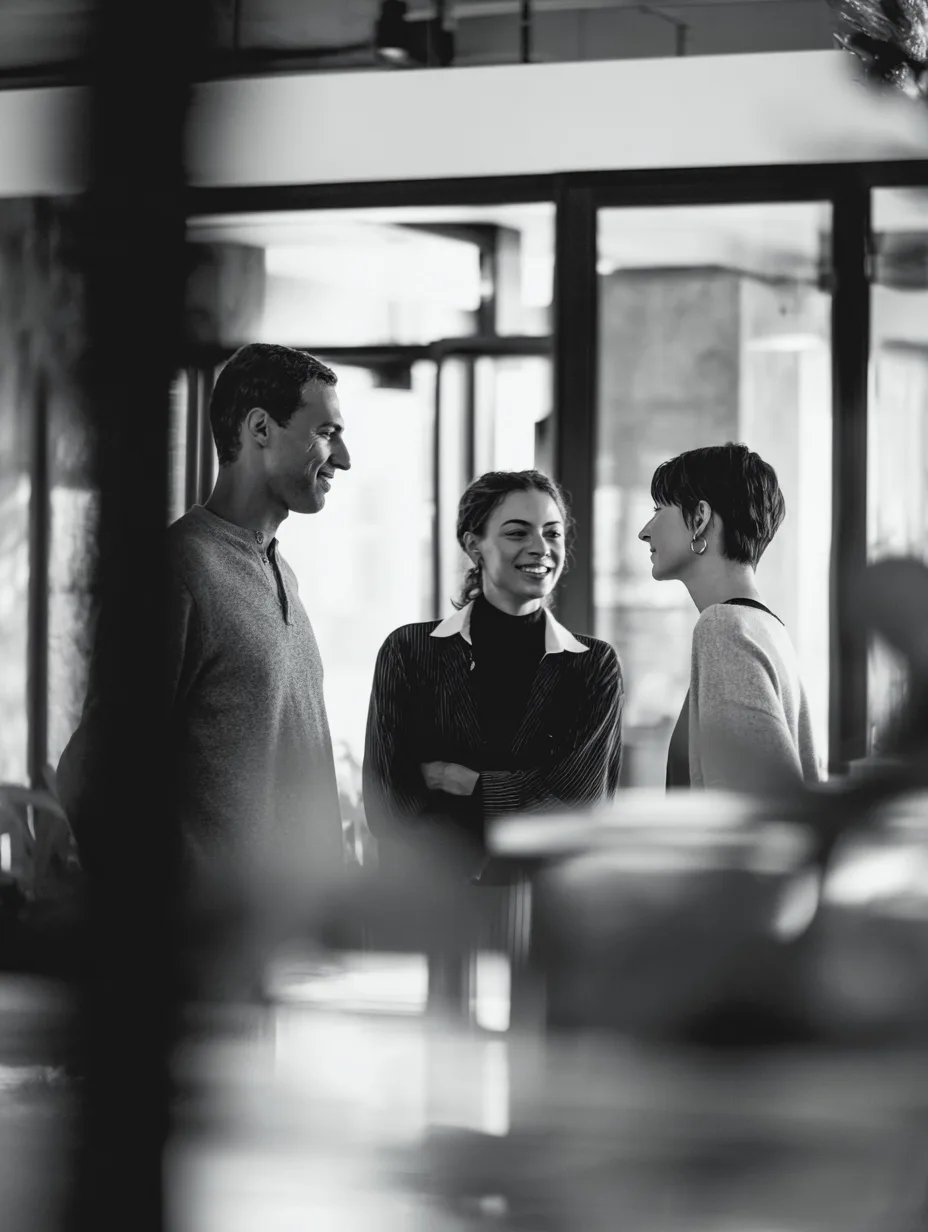
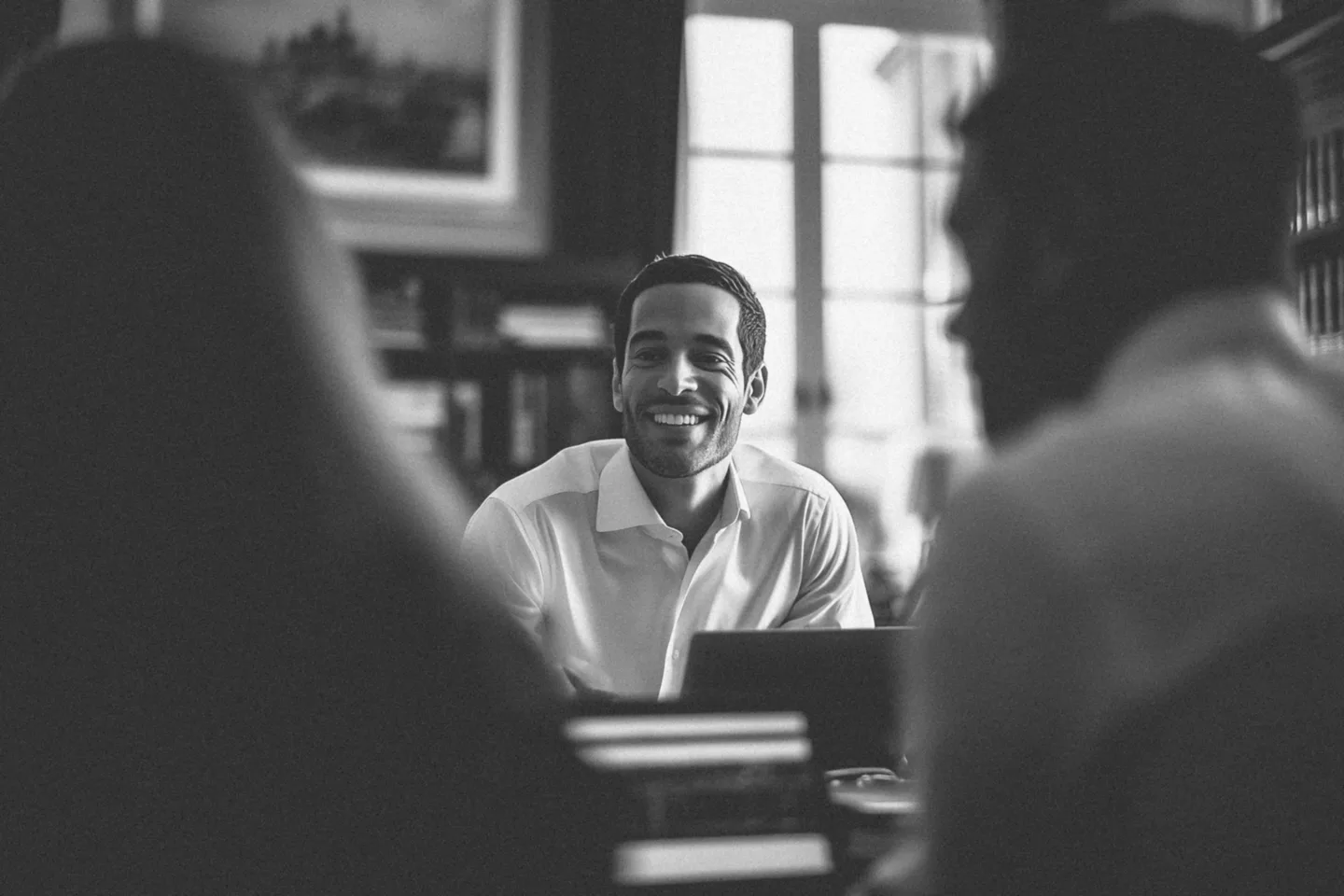
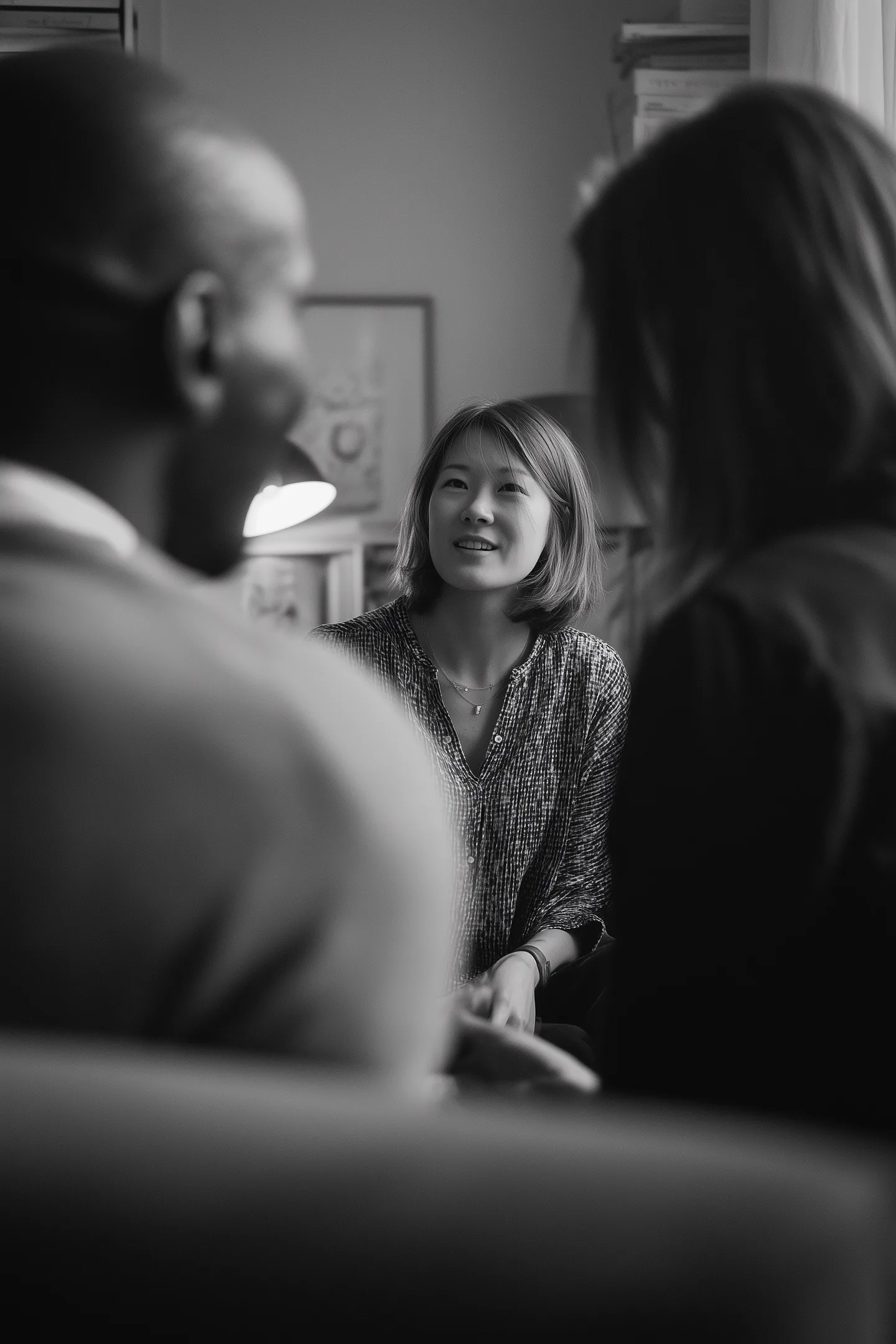
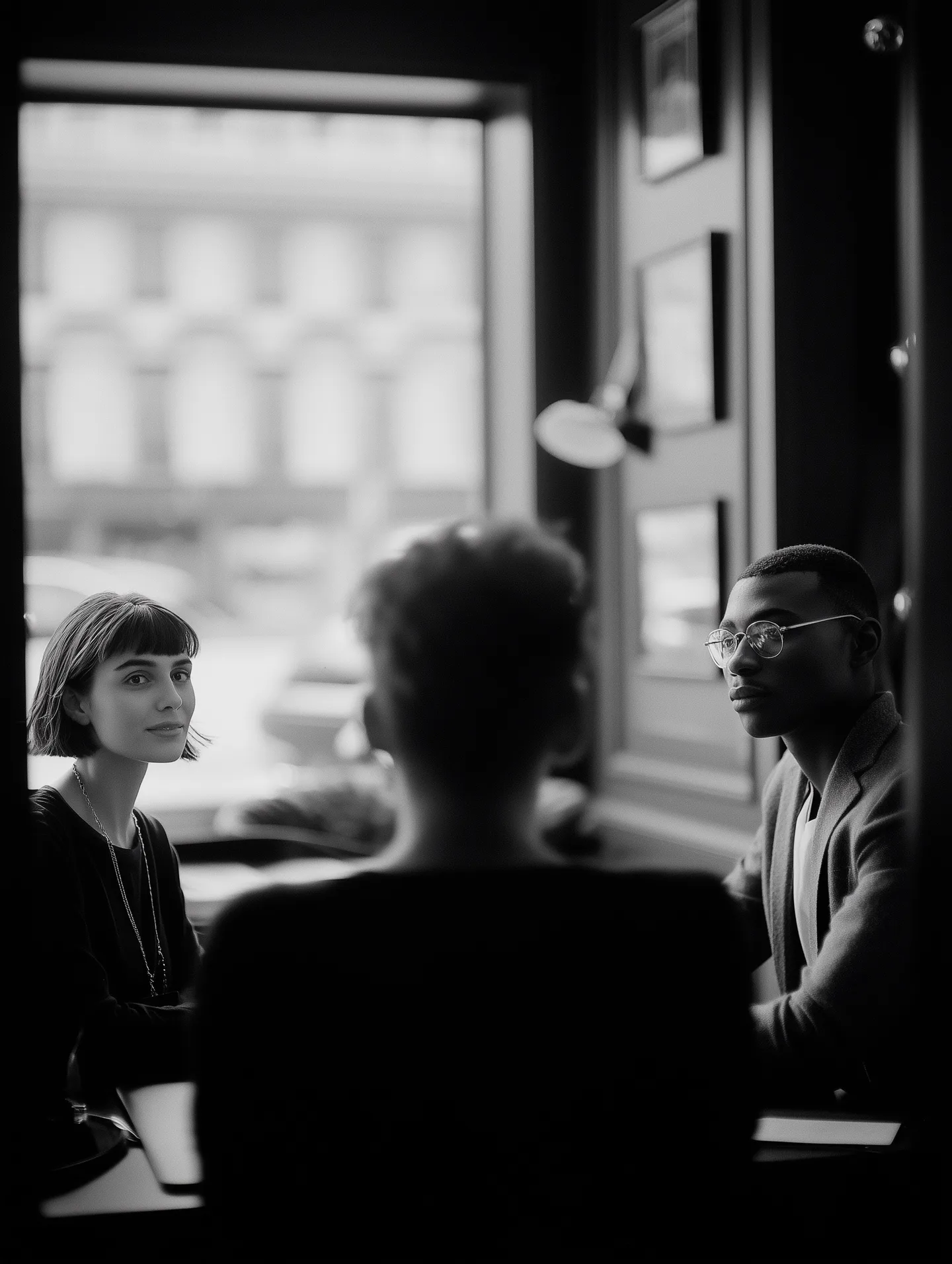
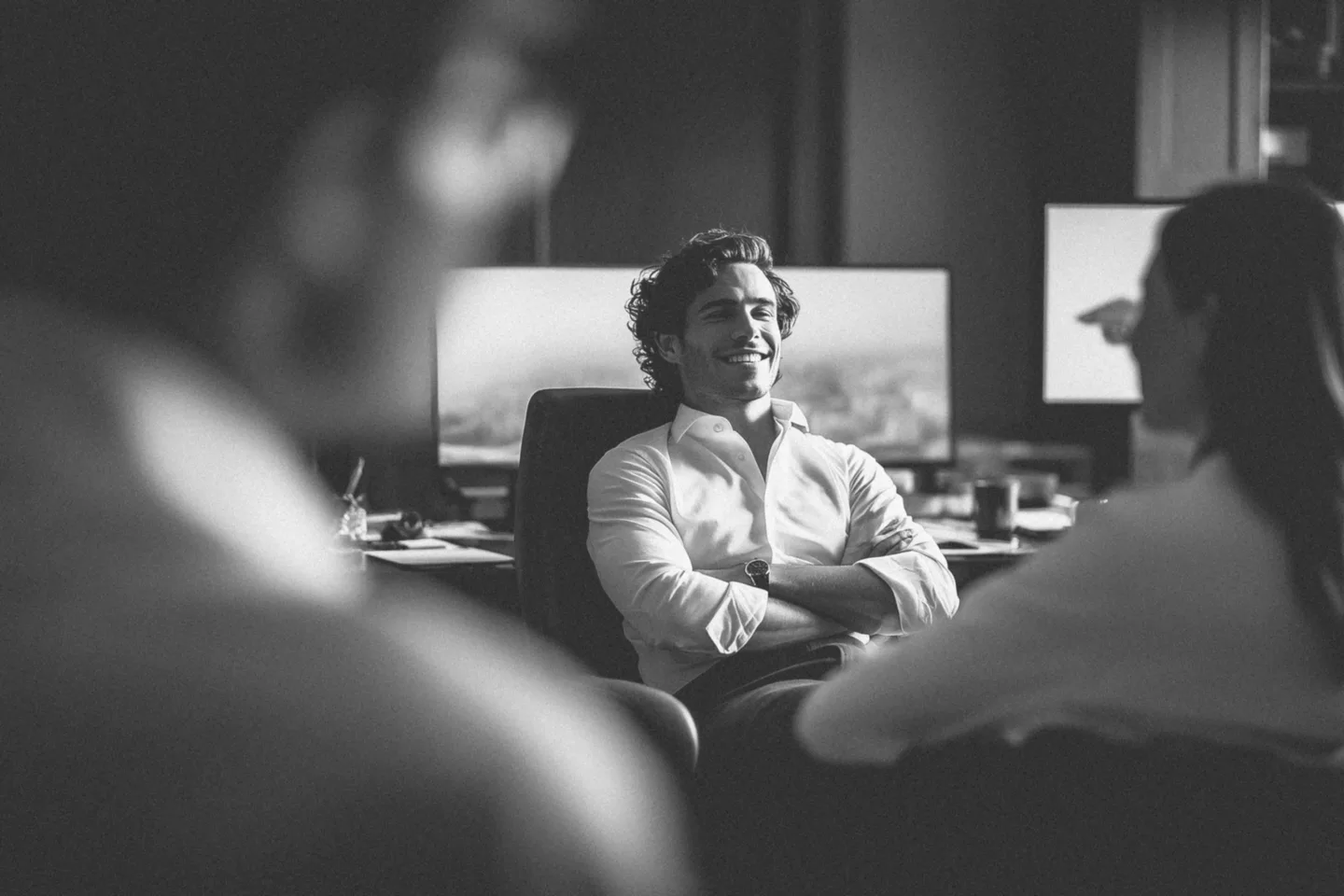
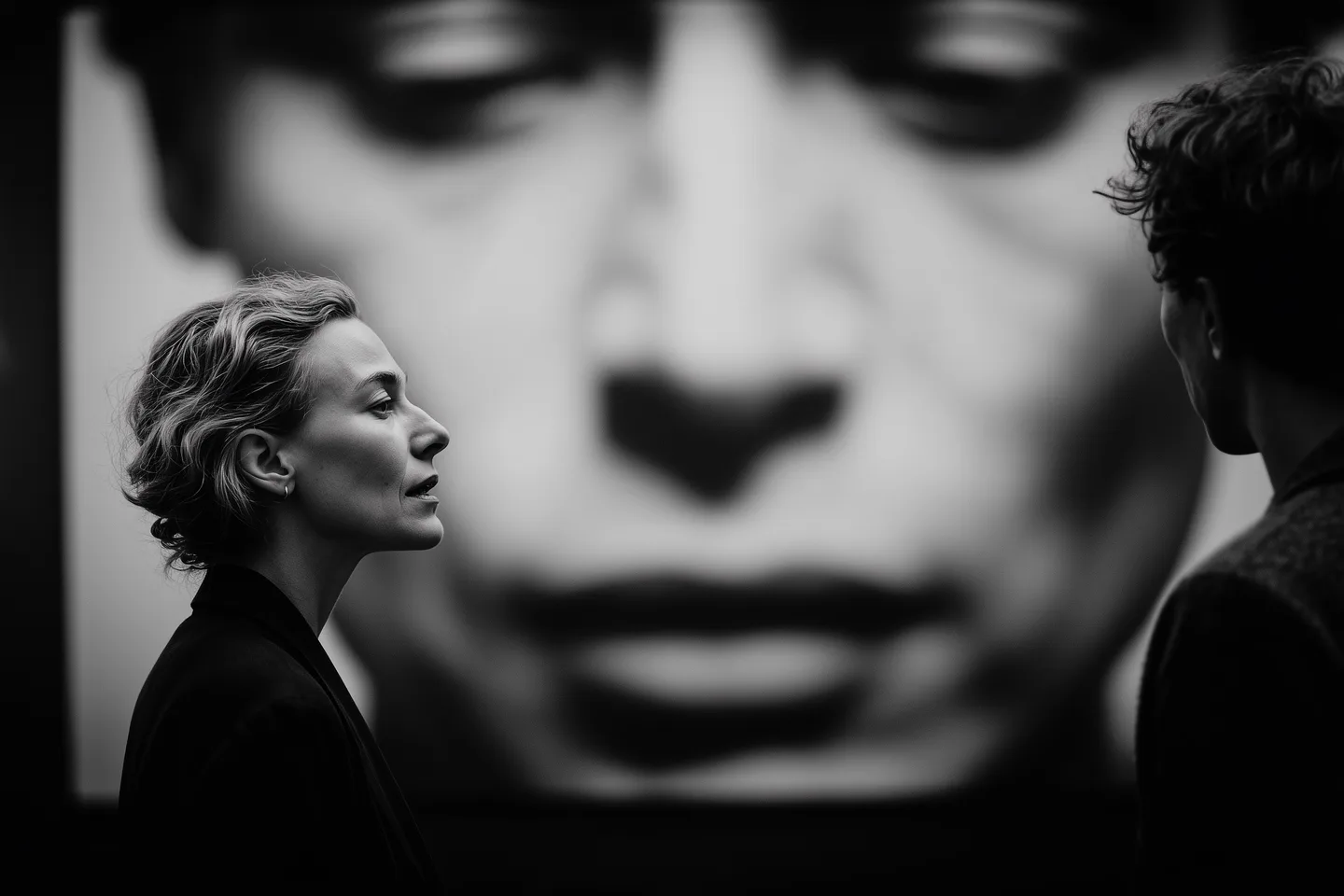
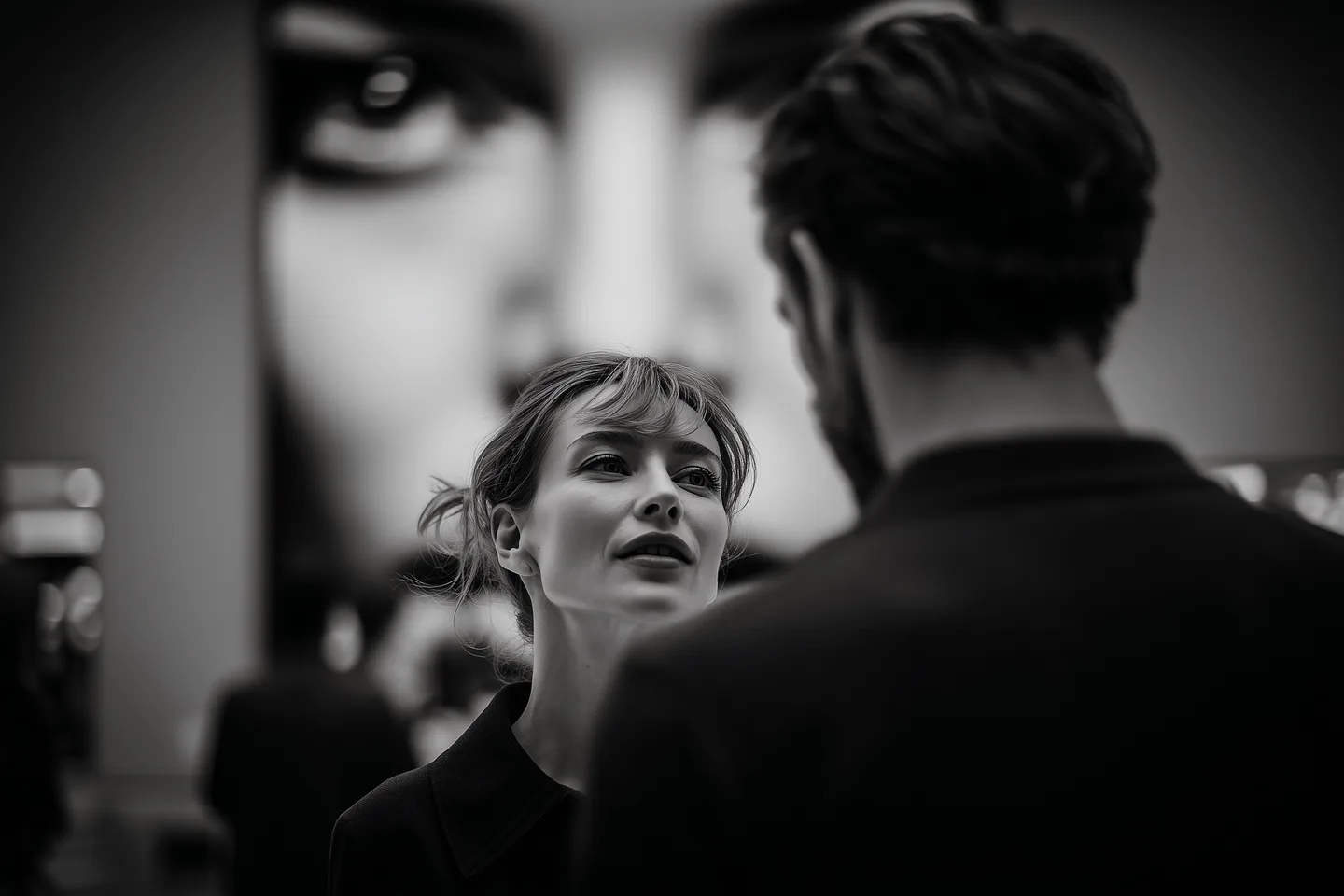
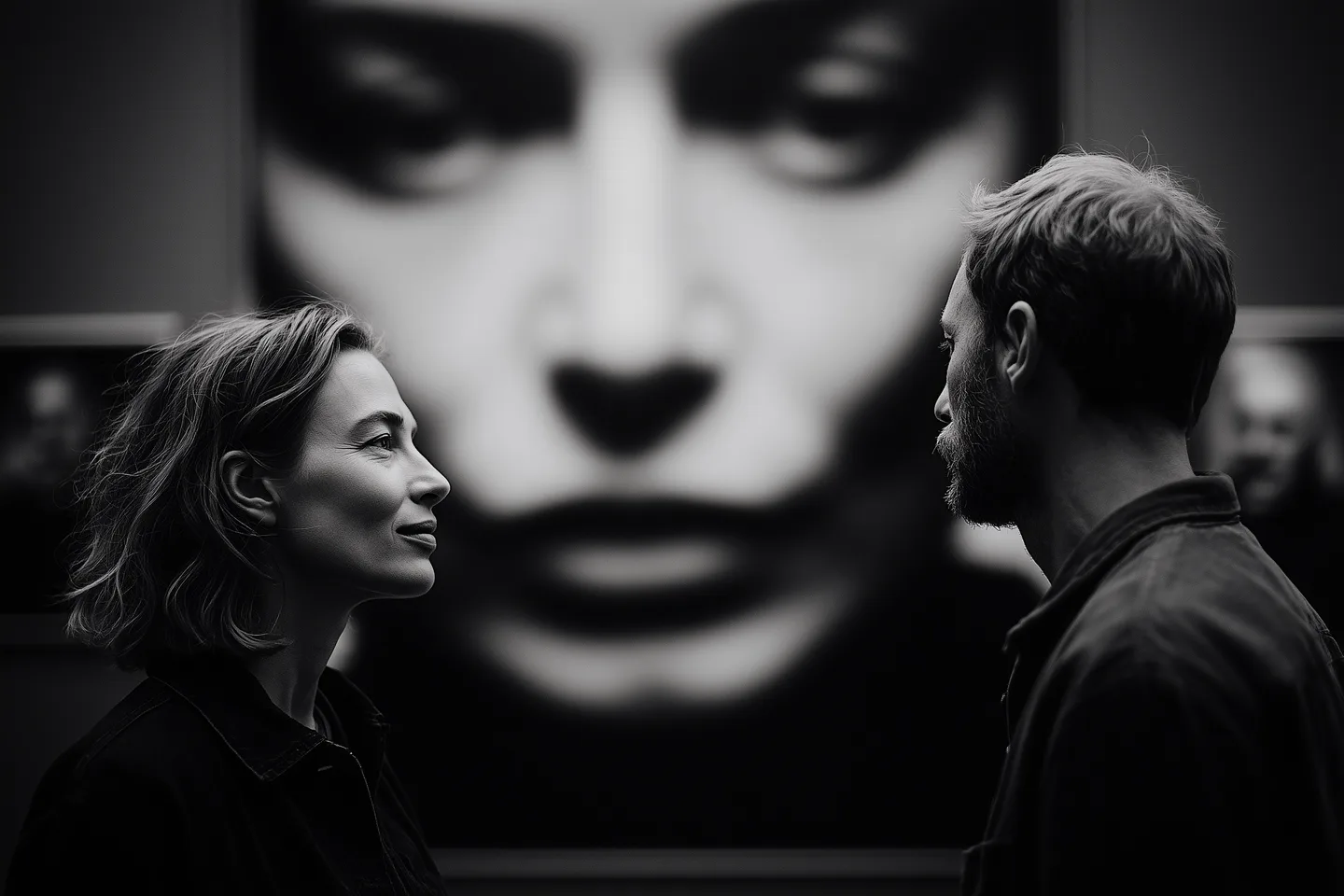
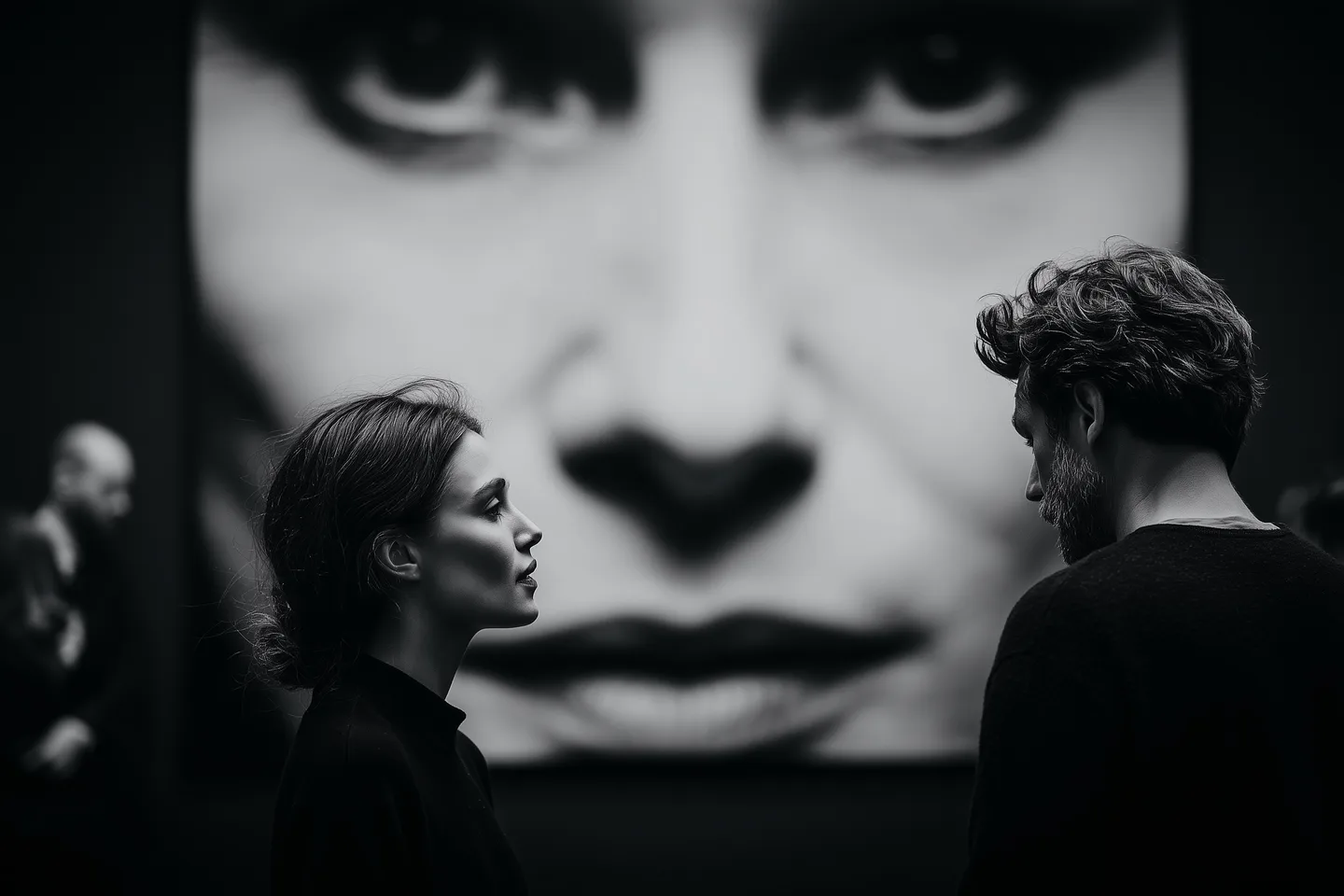
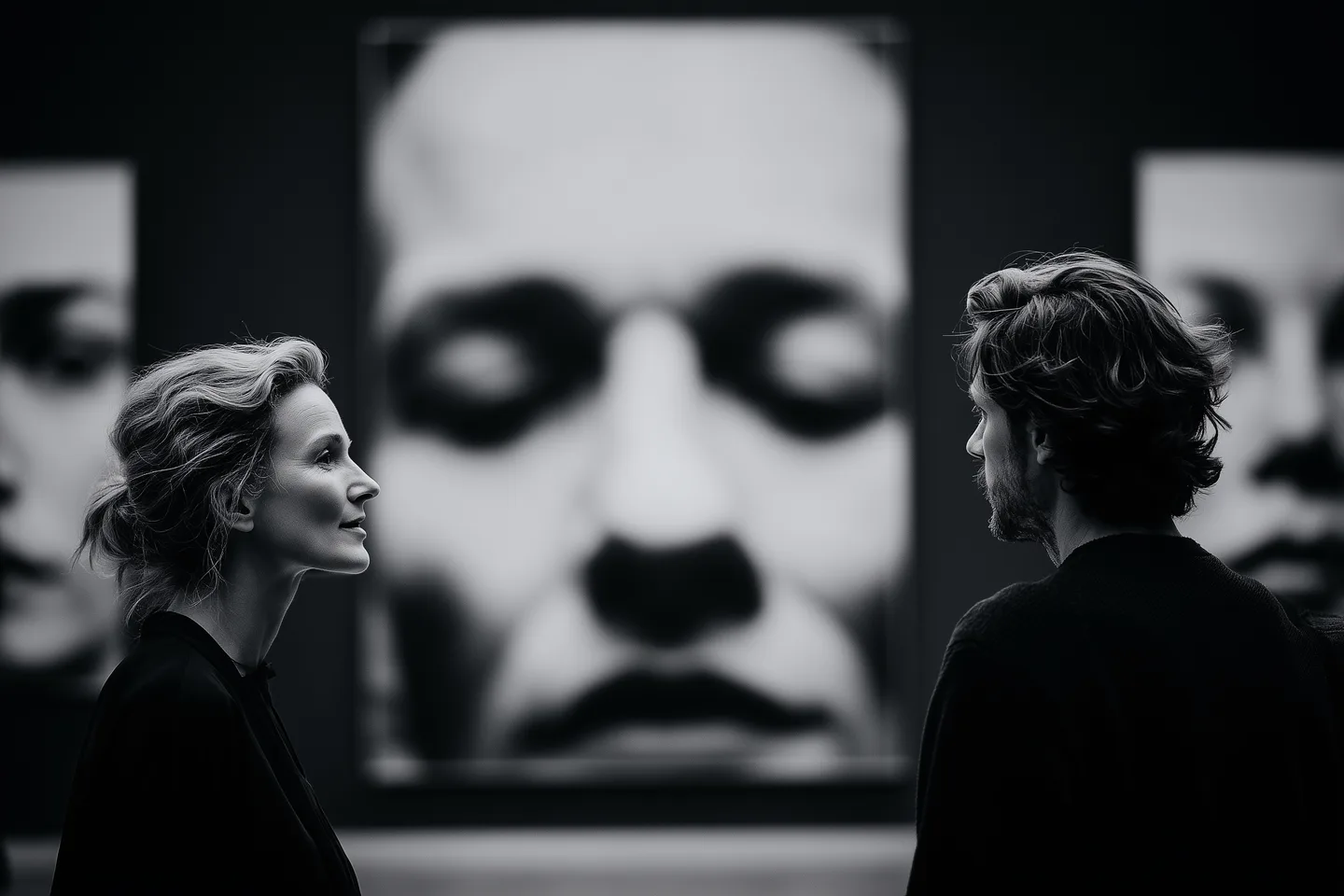
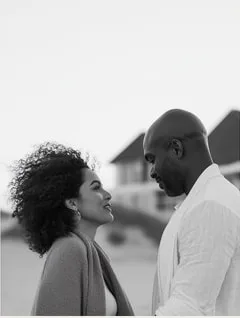
Realism was necessary but insufficient · every frame was tested against narrative, tone, demographics, and believable behavior
A plausible image could still tell the wrong story.
Editorial polish often displaced the required documentary restraint.
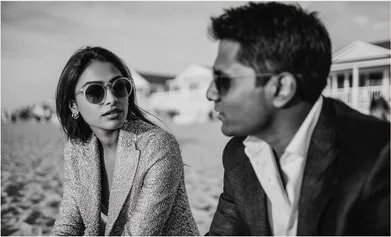
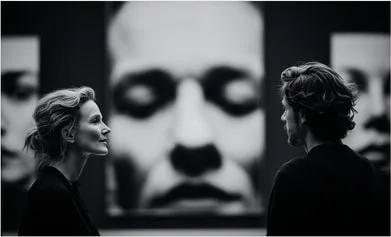
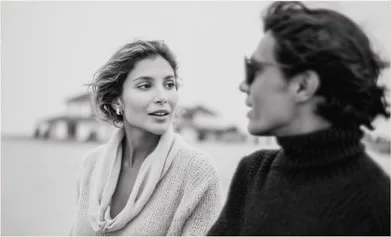
Age, identity, and wardrobe shifted even under a locked prompt.
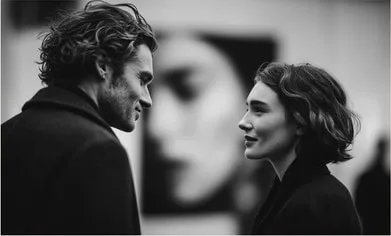
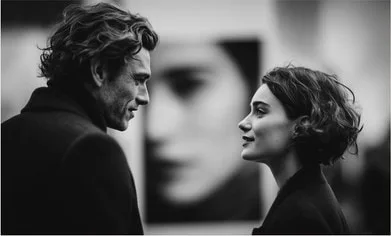
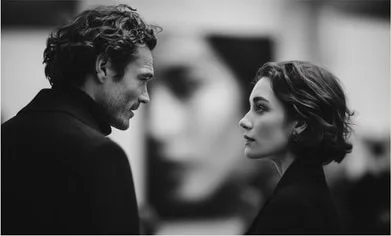
Faces could render cleanly while the human moment still felt false.
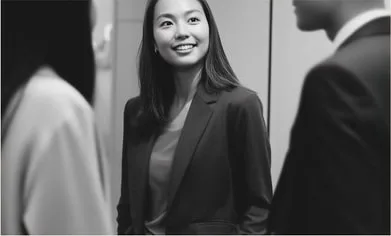
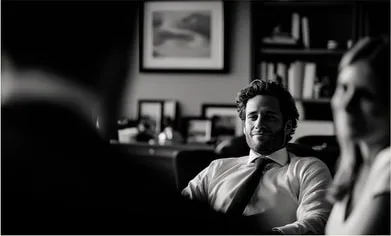
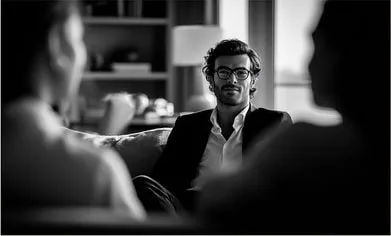
Human selection and repeated prompting turned a broad field into a coherent Family · Art · Office campaign
From lifestyle possibility to a quiet conversation about the future.
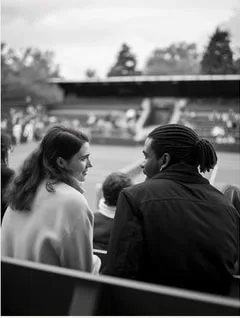
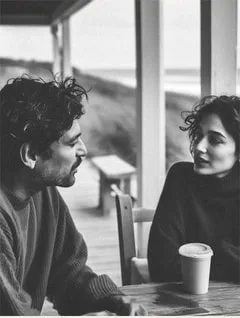
Composition and gesture converge around an intimate gallery exchange.
The advisor becomes warm, assured, and specific rather than generic.